Exploring the link between birth control and weight gain opens up a world of possibilities and considerations. From debunking myths to understanding the science behind it, this topic delves into the complexities of how birth control can impact weight.
As we navigate through the different types of birth control methods and their effects on weight, we uncover the truth behind this commonly debated issue. Let’s embark on a journey to unravel the mysteries surrounding birth control and weight gain.
Birth Control and Weight Gain
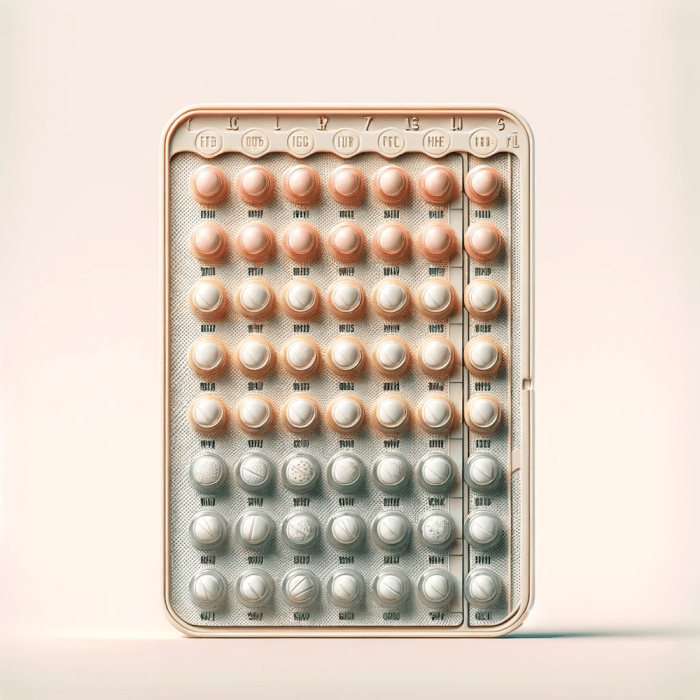
There is a common perception that birth control can lead to weight gain, but the relationship between the two is more complex than it seems. Let’s explore the different aspects of how birth control may or may not impact weight.
Types of Birth Control Methods and Weight Impact
There are various types of birth control methods available, including hormonal pills, patches, injections, and intrauterine devices (IUDs). While some individuals may experience weight gain with certain methods, others may not notice any significant changes.
- Hormonal Birth Control: Some studies suggest that hormonal birth control methods, such as pills, patches, and injections, can potentially lead to weight gain in some individuals.
- Non-Hormonal Birth Control: Non-hormonal methods like copper IUDs are less likely to cause weight gain as they do not affect hormone levels in the same way.
Scientific Studies and Evidence
Research on the link between birth control and weight gain has produced mixed results. While some studies indicate a possible association, others have found no significant correlation. Factors like individual metabolism, lifestyle, and genetic predisposition can also play a role in how birth control affects weight.
Hormones in Birth Control Pills and Weight Regulation
Birth control pills contain synthetic hormones like estrogen and progestin, which can influence appetite, metabolism, and water retention in the body. These hormonal changes may contribute to weight fluctuations in some individuals using oral contraceptives.
Factors Influencing Weight Changes
When it comes to weight changes, there are various factors beyond just birth control that can play a role in whether you gain or lose weight. Understanding these influences can help you make informed choices to manage your weight effectively.
- Diet: The food you consume has a significant impact on your weight. A balanced diet rich in fruits, vegetables, lean proteins, and whole grains can support weight management.
- Exercise: Regular physical activity is crucial for maintaining a healthy weight. Incorporating both cardiovascular exercise and strength training can help you burn calories and build muscle.
- Stress: High levels of stress can lead to emotional eating and weight gain. Finding healthy coping mechanisms for stress, such as meditation or yoga, can support weight management.
- Sleep Patterns: Inadequate sleep can disrupt hormones that regulate appetite and metabolism, potentially leading to weight gain. Prioritizing quality sleep can support weight maintenance.
Metabolism and Genetics
Individual metabolism and genetics can also influence how your body processes calories and stores fat. Some people may naturally have a faster metabolism or a genetic predisposition to weight gain. While these factors are largely out of your control, focusing on a healthy lifestyle can still positively impact your weight.
Tips for Managing Weight
- Track Your Food: Keeping a food diary can help you become more aware of your eating habits and make healthier choices.
- Stay Active: Aim for at least 150 minutes of moderate-intensity exercise per week to support weight management.
- Seek Support: Consider working with a healthcare provider or a dietitian to create a personalized weight management plan.
- Stay Consistent: Remember that sustainable weight management takes time and effort. Stay consistent with healthy habits to see long-term results.
Contraceptives, Birth Control, and Reproductive Health
Contraceptives play a crucial role in promoting reproductive health by allowing individuals to make informed choices about their fertility and family planning. They offer a range of benefits, including preventing unintended pregnancies, reducing the risk of sexually transmitted infections, and empowering individuals to take control of their reproductive choices.
Types of Contraceptives
- Barrier Methods: such as condoms, diaphragms, and cervical caps, create a physical barrier to prevent sperm from reaching the egg.
- Hormonal Methods: including birth control pills, patches, injections, and implants, work by altering hormone levels to prevent ovulation.
- Intrauterine Devices (IUDs): both hormonal and non-hormonal IUDs are highly effective long-term contraceptive options that are inserted into the uterus by a healthcare provider.
- Sterilization: permanent methods like tubal ligation for women and vasectomy for men offer a permanent solution to prevent pregnancy.
Effectiveness of Contraceptives
- Contraceptives vary in effectiveness, with methods like IUDs and implants being over 99% effective in preventing pregnancy.
- Consistent and correct use of contraceptives is essential for maximizing their effectiveness in preventing unintended pregnancies.
- Emergency contraception, such as the morning-after pill, can be used after unprotected intercourse to reduce the risk of pregnancy.
Reproductive Autonomy and Family Planning
Contraceptives provide individuals, especially women, with the autonomy to make decisions about their reproductive health and family planning. By having access to a variety of contraceptive options, individuals can plan when and if they want to have children, leading to improved overall well-being and quality of life.
Impact of Contraceptive Access on Public Health
- Increased access to contraceptives has been linked to lower rates of unintended pregnancies, maternal mortality, and unsafe abortions.
- Contraceptives play a vital role in promoting gender equality, as they allow women to pursue education, careers, and personal goals without the constant risk of unplanned pregnancies.
- Public health programs that provide affordable or free contraceptives contribute to healthier populations and reduced healthcare costs in the long run.
Final Wrap-Up
In conclusion, the discussion on birth control and weight gain sheds light on the multifaceted factors that can influence our bodies. By empowering individuals with knowledge and understanding, we pave the way for informed decisions and holistic well-being.
Questions Often Asked
Does birth control always lead to weight gain?
Not necessarily. While some individuals may experience weight changes, others may not see any significant difference. It varies from person to person.
Can lifestyle factors influence weight changes while on birth control?
Absolutely. Factors like diet, exercise, stress levels, and sleep patterns can all play a role in weight fluctuations, even when using birth control methods.
How do contraceptives contribute to women’s reproductive health?
Contraceptives offer women the autonomy to make decisions about their reproductive health, including family planning and overall well-being.