Embark on a journey through the realm of Reproductive Health Services, where every individual’s well-being is a top priority, and access to essential care is a fundamental right.
Explore the vital components of these services, the significance of healthcare providers, and the impact on communities worldwide.
Introduction to Reproductive Health Services
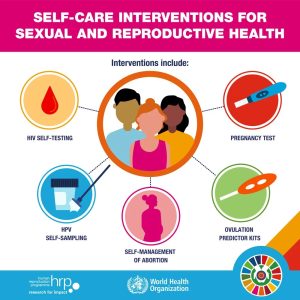
Reproductive health services encompass a wide range of healthcare services that address the reproductive needs of individuals. These services are crucial for maintaining the overall health and well-being of individuals, as well as for promoting healthy communities.Access to reproductive health services is essential for individuals to make informed decisions about their reproductive health, including family planning, contraception, fertility treatments, and prenatal care.
By ensuring access to these services, communities can benefit from improved maternal and child health outcomes, reduced rates of unintended pregnancies, and lower maternal mortality rates.The components typically included in reproductive health services may consist of family planning counseling, prenatal care, screening and treatment for sexually transmitted infections, infertility services, and pregnancy-related care. These services are often provided by healthcare professionals such as obstetricians, gynecologists, midwives, and reproductive health specialists.
Role of Healthcare Providers
- Healthcare providers play a crucial role in delivering reproductive health services by offering counseling, education, and medical treatments to individuals seeking care.
- They are responsible for conducting screenings, assessments, and providing interventions to address reproductive health issues and concerns.
- Healthcare providers also work to ensure that individuals have access to a wide range of contraceptive options and family planning resources to support their reproductive choices.
- Through comprehensive care and support, healthcare providers contribute to the overall well-being of individuals and communities by promoting healthy reproductive practices and outcomes.
Types of Reproductive Health Services
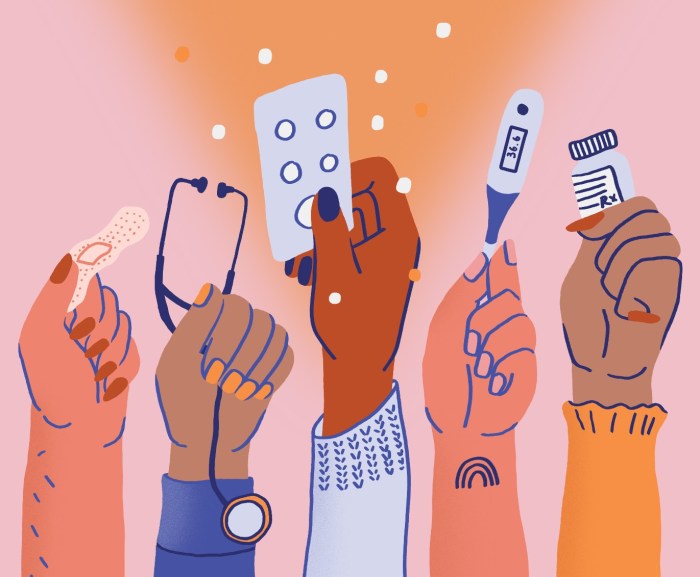
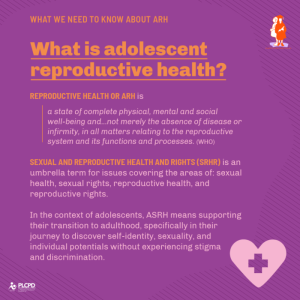
Reproductive health services encompass a wide range of healthcare services aimed at promoting and maintaining the reproductive well-being of individuals. These services play a crucial role in ensuring overall health and quality of life for individuals of all ages and genders.
Family Planning
Family planning services involve providing information, counseling, and access to various contraceptive methods to help individuals and couples make informed decisions about their reproductive choices. The primary goal of family planning is to prevent unintended pregnancies, allowing individuals to plan the timing and spacing of their children according to their preferences and circumstances.
Prenatal Care
Prenatal care services are essential for ensuring the health and well-being of pregnant individuals and their developing babies. These services include regular check-ups, screenings, and monitoring to detect and address any potential complications during pregnancy. Prenatal care also involves providing education and support to pregnant individuals to promote a healthy pregnancy and delivery.
STI Screenings
STI screenings are important reproductive health services that involve testing individuals for sexually transmitted infections (STIs) such as HIV, syphilis, gonorrhea, and chlamydia. Early detection and treatment of STIs are crucial for preventing the spread of infection and managing the health consequences associated with these infections. STI screenings also play a vital role in promoting sexual health and well-being.
Delivery of Reproductive Health Services
Reproductive health services can be delivered through various healthcare settings, including primary care clinics, reproductive health centers, hospitals, and community health centers. The availability and accessibility of services may vary depending on the setting, with some facilities specializing in certain aspects of reproductive health, such as family planning or prenatal care. Regardless of the setting, the primary focus of reproductive health services remains on promoting the well-being and autonomy of individuals in making informed decisions about their reproductive health.
Importance of Contraceptives and Birth Control
Contraceptives and birth control methods play a crucial role in reproductive health by allowing individuals to make informed choices about family planning and preventing unintended pregnancies.
Role of Contraceptives in Preventing Unintended Pregnancies
Contraceptives help to prevent unintended pregnancies by either inhibiting ovulation, thickening cervical mucus to block sperm, or preventing fertilized eggs from implanting in the uterus. By using contraceptives correctly and consistently, individuals can effectively reduce the risk of unwanted pregnancies.
Types of Contraceptives and How They Work
There are various types of contraceptives available, including hormonal methods like birth control pills, patches, and injections, barrier methods like condoms and diaphragms, intrauterine devices (IUDs), and permanent methods like tubal ligation and vasectomy. Each method works differently to prevent pregnancy, offering individuals a range of options to choose from based on their preferences and needs.
Impact of Birth Control on Reproductive Health and Family Planning
Birth control not only helps individuals plan their families effectively but also contributes to better reproductive health outcomes. By enabling individuals to space out pregnancies and plan for the number of children they want, birth control can reduce maternal mortality rates, improve maternal health, and support healthier families. Additionally, access to birth control empowers individuals to make informed decisions about their reproductive choices, leading to overall improved well-being and quality of life.
Access to Reproductive Health Services
Access to reproductive health services is crucial for individuals to make informed decisions about their sexual and reproductive health. However, there are various barriers that can hinder access to these services.
Barriers to Accessing Reproductive Health Services
Barriers to accessing reproductive health services can include lack of education, cultural taboos, financial constraints, and geographical distance from healthcare facilities. These barriers can prevent individuals from seeking essential reproductive health services.
Initiatives and Programs for Improving Access
- Public health campaigns to raise awareness about the importance of reproductive health services.
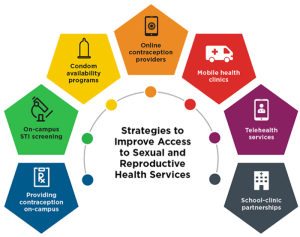
- Mobile clinics to reach underserved populations in remote areas.
- Training community health workers to provide basic reproductive health services.
Intersectionality of Factors in Access to Services
The intersectionality of factors such as socio-economic status, geography, and gender can greatly impact access to reproductive health services. For example, women in rural areas may face greater challenges in accessing contraceptives compared to urban women due to limited healthcare facilities.
Successful Strategies for Increasing Access
- Integrating reproductive health services into existing healthcare systems to improve access for all individuals.
- Reducing costs of contraceptives through government subsidies or donor support.
- Implementing telemedicine services to provide reproductive health consultations remotely.
Epilogue
As we conclude our exploration of Reproductive Health Services, remember that ensuring access to these services is crucial for fostering healthier societies and empowering individuals to make informed choices about their reproductive health.
Frequently Asked Questions
What are some common barriers to accessing reproductive health services?
Barriers can include lack of education, stigma, financial constraints, and geographical distance from healthcare facilities.
How do contraceptives contribute to overall well-being?
Contraceptives help individuals plan their families, prevent unintended pregnancies, and improve maternal and child health outcomes.
Are there successful strategies for improving access to reproductive health services in underserved populations?
Yes, initiatives like mobile clinics, community health workers, and telemedicine have shown promise in reaching underserved communities.