Dive into the realm of Men’s Reproductive Health, where we unravel the significance of this often overlooked aspect of men’s well-being. From common concerns to potential solutions, this topic sheds light on a crucial yet sometimes neglected area of health.
Explore the nuances of men’s reproductive health and discover how it intersects with various factors affecting overall well-being.
Men’s Reproductive Health

Men’s reproductive health is a crucial aspect of overall well-being and plays a significant role in family planning and fertility. It encompasses a range of issues that can impact a man’s ability to father a child and maintain optimal sexual health.
Importance of Men’s Reproductive Health
- Regular check-ups and screenings can help detect potential issues early on, increasing the chances of successful treatment.
- Healthy reproductive function is essential for fertility and the ability to conceive a child.
- Maintaining good reproductive health can contribute to overall physical and mental well-being.
Common Concerns in Men’s Reproductive Health
- Erectile dysfunction, which can be caused by various factors such as stress, lifestyle choices, or underlying health conditions.
- Low sperm count or quality, affecting fertility and the ability to conceive.
- Sexually transmitted infections (STIs) that can impact reproductive health and overall well-being.
Men’s vs. Women’s Reproductive Health
| Men’s Reproductive Health | Women’s Reproductive Health |
|---|---|
| Focuses on issues like erectile dysfunction, low sperm count, and STIs. | Includes concerns such as menstrual health, pregnancy, and menopause. |
| Regular screenings may involve semen analysis and testosterone levels. | Regular screenings may include Pap smears, mammograms, and pelvic exams. |
| Can impact fertility and sexual function. | Can impact fertility, reproductive organs, and hormonal balance. |
Factors Affecting Men’s Reproductive Health
Men’s reproductive health can be influenced by a variety of factors, including lifestyle choices, genetics, and environmental exposures. Understanding these factors is crucial for promoting overall reproductive well-being in men.
Lifestyle Factors Impacting Men’s Reproductive Health
Lifestyle choices such as diet, exercise, smoking, alcohol consumption, and drug use can significantly impact men’s reproductive health. Poor diet and lack of exercise can lead to obesity, which is associated with decreased sperm quality and infertility. Smoking, excessive alcohol consumption, and drug use have also been linked to reduced fertility in men.
Role of Genetics in Men’s Reproductive Health
Genetics plays a key role in determining men’s reproductive health. Certain genetic factors can affect sperm production, sperm quality, and overall reproductive function. Inherited conditions such as Klinefelter syndrome, cystic fibrosis, and Y chromosome microdeletions can impact male fertility.
Environmental Factors Influencing Men’s Reproductive Health
Environmental factors, such as exposure to chemicals, pesticides, heavy metals, and radiation, can have negative effects on men’s reproductive health. These environmental toxins can disrupt hormone levels, sperm production, and sperm quality, leading to infertility and other reproductive issues. It is important for men to be aware of their surroundings and take steps to minimize exposure to harmful substances.
Male Infertility
Male infertility refers to the inability of a man to impregnate a fertile female partner. This condition can be caused by various factors and can have a significant impact on couples trying to conceive.
Causes and Risk Factors of Male Infertility
- Genetic factors: Certain genetic conditions, such as Klinefelter syndrome or Y-chromosome microdeletions, can lead to male infertility.
- Hormonal imbalances: Issues with hormone production, particularly testosterone, can affect sperm production and quality.
- Varicocele: This is a common cause of male infertility, characterized by the swelling of veins in the scrotum, leading to decreased sperm quality.
- Environmental factors: Exposure to toxins, radiation, or certain medications can impact sperm production.
- Lifestyle factors: Habits like smoking, excessive alcohol consumption, and drug use can also contribute to male infertility.
Treatment Options for Male Infertility
- Fertility drugs: Medications can help address hormonal imbalances and improve sperm production.
- Surgery: Procedures like varicocele repair can help correct physical issues causing infertility.
- Assisted reproductive technologies (ART): Options like in vitro fertilization (IVF) can help couples conceive despite male infertility issues.
- Lifestyle changes: Adopting a healthier lifestyle, including a balanced diet and regular exercise, can improve sperm quality.
Emotional and Psychological Impact
Male infertility can have a profound emotional and psychological impact on men and their partners. The inability to conceive can lead to feelings of guilt, shame, and inadequacy. It can strain relationships and cause stress and depression. Seeking support from healthcare professionals, therapists, or support groups can help couples navigate the emotional challenges of male infertility.
Sexual Health and Men’s Reproductive Health
Sexual health plays a vital role in men’s reproductive health, as they are interconnected aspects of overall well-being. Maintaining good sexual health is essential for promoting healthy reproductive functions.
Regular STI testing is crucial for men’s reproductive health as sexually transmitted infections can affect fertility and overall reproductive health. Early detection and treatment of STIs can prevent complications that may impact a man’s ability to conceive or maintain reproductive health.
Tips for Maintaining Good Sexual Health
- Practice safe sex by using condoms to reduce the risk of STIs.
- Communicate openly with sexual partners about sexual health and history.
- Get vaccinated for STIs such as HPV to prevent infections.
- Limit alcohol consumption and avoid recreational drug use to maintain sexual health.
- Stay physically active and maintain a healthy diet to support reproductive functions.
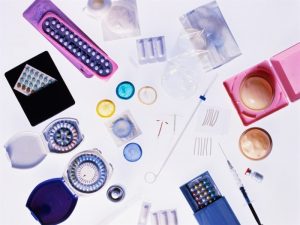
Contraceptives and Birth Control
Contraceptives and birth control play a crucial role in family planning and men’s reproductive health by providing options to prevent unwanted pregnancies.
Types of Male Contraceptives
- Condoms: One of the most common forms of male contraceptives, condoms act as a barrier method to prevent sperm from reaching the egg during sexual intercourse.
- Vasectomy: A permanent form of contraception where the vas deferens are cut or blocked to prevent the release of sperm during ejaculation.
- Withdrawal Method: Also known as the “pull-out” method, this involves the man withdrawing his penis before ejaculation to prevent sperm from entering the vagina.
Effectiveness and Side Effects
- Condoms: Highly effective in preventing pregnancy and also provide protection against sexually transmitted infections. Some individuals may have latex allergies or experience reduced sensitivity.
- Vasectomy: Considered one of the most effective forms of contraception, but it is permanent and not easily reversible. Some men may experience mild pain or swelling after the procedure.
- Withdrawal Method: Least effective method due to the risk of pre-ejaculate containing sperm. It also does not protect against STIs.
Role of Birth Control in Family Planning
Birth control methods, including male contraceptives, allow individuals and couples to plan when to have children, leading to better family planning and overall reproductive health. By offering a range of options, men can actively participate in preventing unintended pregnancies and taking charge of their reproductive choices.
Reproductive Health Awareness
Raising awareness about men’s reproductive health is crucial for overall well-being and quality of life. While there is often a focus on women’s reproductive health, it is equally important to shed light on the unique needs and challenges that men face in this area.
Education plays a vital role in promoting men’s reproductive health. By providing accurate information and resources, individuals can make informed decisions about their sexual and reproductive health. This knowledge empowers men to take control of their health and seek appropriate care when needed.
Tips for Improving Men’s Reproductive Health
- Regular Exercise: Engaging in physical activity can help improve sperm quality and overall reproductive function.
- Healthy Diet: Eating a balanced diet rich in fruits, vegetables, and lean proteins can support reproductive health.
- Limiting Alcohol and Tobacco: Excessive alcohol consumption and smoking can negatively impact sperm production and fertility.
- Maintaining a Healthy Weight: Obesity can affect hormone levels and sperm quality, so maintaining a healthy weight is important.
- Regular Check-ups: Visiting a healthcare provider for routine check-ups can help detect any potential issues early on.
End of Discussion
In conclusion, Men’s Reproductive Health encompasses a wide array of factors that impact men’s lives in profound ways. By raising awareness, promoting education, and taking proactive steps, men can enhance their reproductive health and overall quality of life.
FAQ Overview
What lifestyle factors can impact men’s reproductive health?
Lifestyle factors such as diet, exercise, smoking, and stress can have a significant influence on men’s reproductive health.
What are the different types of contraceptives available for men?
Male contraceptives include condoms, vasectomy, and withdrawal method, each with varying levels of effectiveness and side effects.
How does male infertility affect men and their partners emotionally?
Male infertility can lead to feelings of guilt, shame, and stress, impacting the emotional well-being of both men and their partners.