Birth Control Pills Side Effects sets the stage for this enthralling narrative, offering readers a glimpse into a story that is rich in detail with simple but touching style and brimming with originality from the outset.
Discover the various side effects of birth control pills, how to manage them effectively, and the long-term implications on reproductive health. Dive into alternatives and the importance of reproductive health in this comprehensive guide.
Side Effects of Birth Control Pills
Birth control pills are a common form of contraception used by many individuals. While they are generally safe and effective, there are some side effects that may occur when taking birth control pills.
Common Side Effects
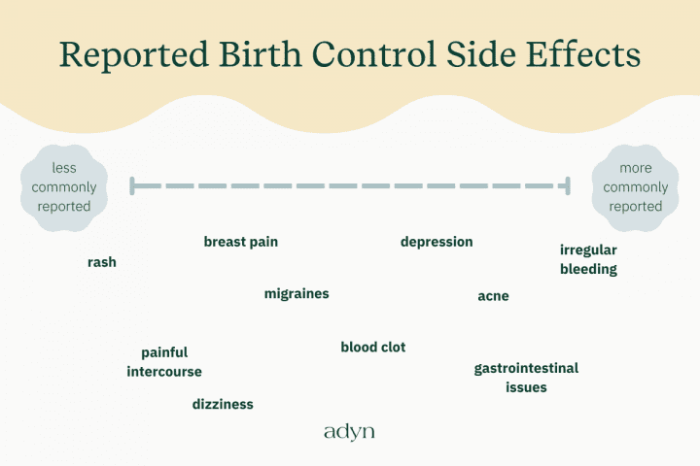
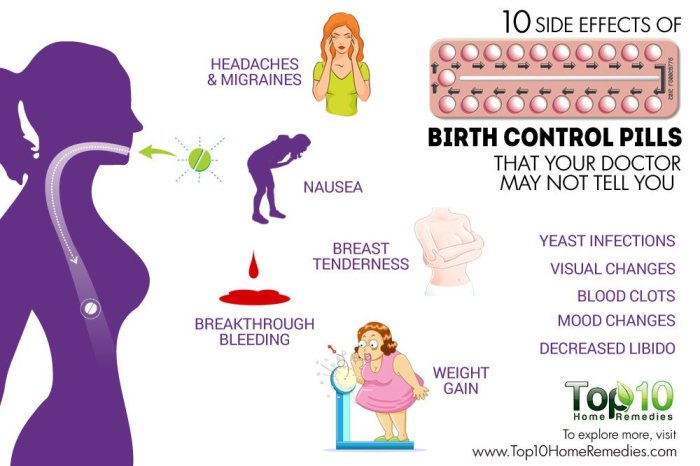
- Nausea
- Headaches
- Weight gain
- Changes in mood
Less Common but Severe Side Effects
- Blood clots
- High blood pressure
- Heart attack
- Stroke
Variability Based on Pill Type
The side effects of birth control pills can vary depending on the type of pill being taken. For example, combination pills containing both estrogen and progestin may have different side effects compared to progestin-only pills.
Managing Side Effects
When it comes to managing the side effects of birth control pills, there are several strategies you can implement to help alleviate any discomfort and ensure a smoother experience.
1. Stay Hydrated
- Drink plenty of water throughout the day to help reduce the chances of experiencing headaches and fatigue.
- Hydration can also help with nausea and maintain overall well-being.
2. Take Pills with Food
- Consuming your birth control pills with a meal or snack can help minimize stomach upset and nausea.
- Avoid taking them on an empty stomach to reduce the chances of gastrointestinal side effects.
3. Consider Timing
- Take your pills at the same time every day to establish a routine and minimize hormonal fluctuations that can lead to side effects.
- Setting a daily alarm or incorporating pill-taking into your daily routine can help you stay consistent.
4. Use Non-hormonal Methods
- If you continue to experience severe side effects, consider discussing non-hormonal birth control options with your healthcare provider.
- Non-hormonal methods like copper IUDs or barrier methods may be better suited for individuals who struggle with hormonal birth control side effects.
Long-Term Effects
Long-term use of birth control pills can have various effects on reproductive health and overall well-being.
Impact on Fertility
Studies have shown that prolonged use of birth control pills may delay the return of normal fertility after discontinuation. While fertility typically returns after stopping the pill, some women may experience a longer period of time before being able to conceive.
Hormone Levels and Overall Health
Continuous use of birth control pills can disrupt the body’s natural hormone balance over time. This can lead to potential long-term effects on overall health, including changes in mood, weight, and libido. It is important for individuals to consult with healthcare providers to monitor hormone levels and address any concerns related to prolonged use of birth control pills.
Alternatives to Birth Control Pills
When considering birth control options, there are alternatives to birth control pills that may better suit your needs. It is important to explore these alternatives and consult with healthcare providers to determine the most suitable method for you.
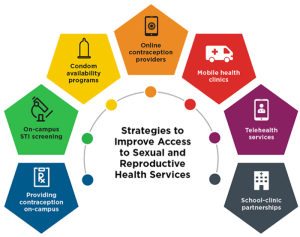
Condoms
Condoms are a popular contraceptive method that not only prevent pregnancy but also protect against sexually transmitted infections. They are easily accessible and have minimal side effects compared to birth control pills.
Intrauterine Devices (IUDs)
IUDs are small, T-shaped devices that are inserted into the uterus to prevent pregnancy. They are long-acting and highly effective, with hormonal and non-hormonal options available. Side effects may include cramping and irregular bleeding, but they are generally well-tolerated.
Contraceptive Implants
Contraceptive implants are small rods placed under the skin of the upper arm and release hormones to prevent pregnancy. They are highly effective and long-lasting, with side effects such as irregular bleeding and changes in menstrual patterns.
Importance of Reproductive Health
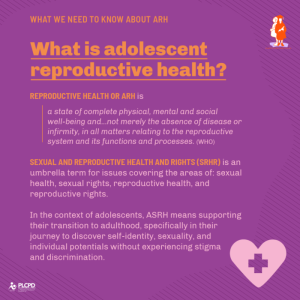
Reproductive health plays a crucial role in an individual’s overall well-being, encompassing physical, mental, and social aspects. It is essential for maintaining a healthy reproductive system, preventing diseases, and ensuring the ability to have safe and satisfying sexual experiences.
Contribution of Contraceptives to Reproductive Health
Contraceptives like birth control pills are vital in promoting reproductive health by providing individuals with the ability to plan and space pregnancies, reducing the risk of unintended pregnancies and related complications. They also help in managing menstrual irregularities, reducing the severity of menstrual cramps, and improving conditions like acne and hirsutism.
Impact of Reproductive Health on Quality of Life
A healthy reproductive system directly impacts an individual’s quality of life by allowing them to make informed choices about their sexual and reproductive health. It empowers individuals to pursue education, career goals, and personal aspirations without the constraints of unplanned pregnancies. Additionally, good reproductive health promotes positive mental well-being, fostering healthy relationships and overall life satisfaction.
End of Discussion
Explore the complexities of birth control pills side effects and empower yourself with the knowledge to make informed decisions about your reproductive health.
Essential Questionnaire
Are birth control pills safe to use long-term?
While many women use birth control pills for years without issues, long-term use may have implications on reproductive health. It’s essential to consult with a healthcare provider.
Can birth control pills affect fertility?
There is no evidence to suggest that birth control pills have a long-term impact on fertility. Fertility typically returns to normal once you stop taking the pills.
What are some alternative contraceptive methods to birth control pills?
Condoms, intrauterine devices (IUDs), contraceptive implants, and other options are available as alternatives to birth control pills. Each method has its own set of side effects and effectiveness.