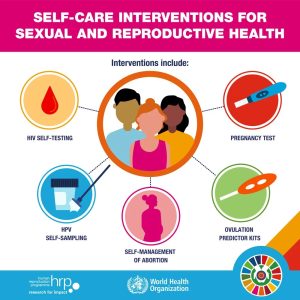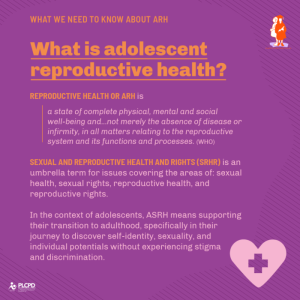
Embark on a journey of understanding and empowerment with Sexual and Reproductive Health Education at the helm. Dive into the realm of crucial information that shapes well-being and choices, guiding individuals towards healthier futures.
Explore the key components, challenges, and vital role of contraceptives in this educational landscape, unraveling the importance of awareness and access.
Importance of Sexual and Reproductive Health Education
Sexual and Reproductive Health Education plays a vital role in the overall well-being of individuals. By educating people about this important aspect of health, we can empower them to make informed decisions and take control of their reproductive health.
Benefits of Promoting Awareness
- Prevention of sexually transmitted infections (STIs): Promoting awareness about safe sex practices can help reduce the spread of STIs and protect individuals from potential risks.
- Empowerment and autonomy: Knowledge about sexual and reproductive health empowers individuals to make informed choices regarding their bodies, relationships, and future plans.
- Reduced unintended pregnancies: Education on contraception methods and family planning can help individuals avoid unintended pregnancies and plan their families according to their preferences.
Impact on Overall Well-being
- Physical health: Adequate knowledge about sexual health can lead to better reproductive outcomes, reduced risks of complications, and overall improved physical well-being.
- Mental health: Understanding one’s sexual and reproductive health can contribute to mental well-being by reducing anxiety, fear, and uncertainty related to these aspects.
- Social relationships: Education in this field can enhance communication with partners, promote healthy relationships, and foster mutual respect and understanding.
Components of Sexual and Reproductive Health Education
Sexual and Reproductive Health Education encompasses various key topics that are essential for individuals to make informed decisions regarding their sexual health and well-being.
Understanding Anatomy and Physiology
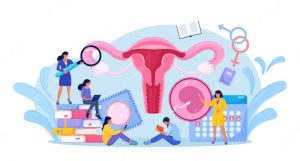
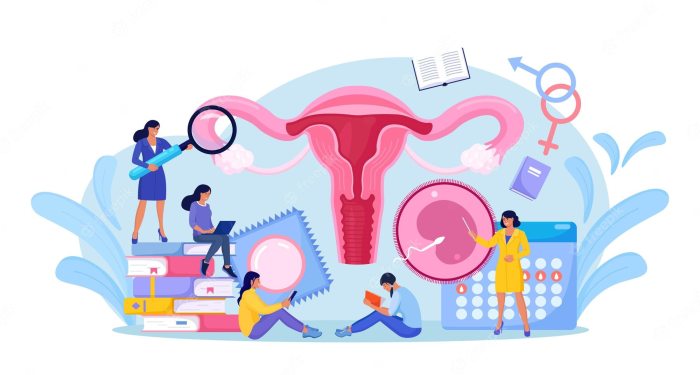
One crucial component of Sexual and Reproductive Health Education is understanding the anatomy and physiology of the reproductive system. This knowledge is vital in helping individuals comprehend how their bodies work and how to maintain good reproductive health.
- Learning about the male and female reproductive organs and their functions
- Understanding the menstrual cycle and ovulation
- Exploring the process of fertilization and pregnancy
- Identifying common reproductive health issues and how to address them
Practical Skills
Equipping individuals with practical skills is another important aspect of Sexual and Reproductive Health Education. These skills enable individuals to navigate various situations and make responsible choices regarding their sexual health.
- Effective communication and negotiation skills in relationships
- Contraceptive knowledge and proper use
- Understanding and practicing safe sex methods
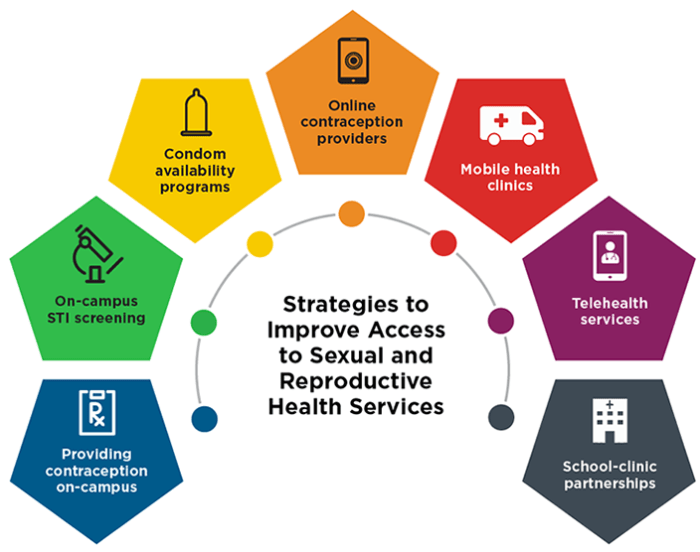
- Accessing sexual health services and resources
Challenges in Providing Comprehensive Education
When it comes to sexual and reproductive health education, there are various challenges that can hinder the dissemination of accurate information. These challenges can be influenced by cultural or societal factors, making it crucial to address them in order to provide comprehensive education to diverse populations.
Barriers to Disseminating Accurate Information
One of the main barriers to providing comprehensive sexual and reproductive health education is the presence of misinformation and stigma surrounding these topics. Inaccurate beliefs and myths can prevent individuals from accessing the information they need to make informed decisions about their health.
It is essential to combat misinformation through evidence-based education and by promoting open and honest discussions about sexual and reproductive health.
Cultural and Societal Factors Affecting Delivery
Cultural norms and societal taboos can also impact the delivery of sexual and reproductive health education. In some communities, discussing topics related to sex and contraception may be considered taboo or inappropriate, leading to a lack of access to vital information.
Addressing cultural sensitivities and tailoring educational approaches to specific communities can help overcome these barriers and ensure that accurate information reaches those who need it most.
Strategies to Overcome Challenges in Reaching Diverse Populations
One effective strategy to overcome challenges in reaching diverse populations is to involve community leaders and local organizations in the education process. By working with trusted individuals and groups within communities, it is possible to build rapport and establish credibility when delivering sensitive information.
Additionally, using culturally appropriate materials and language, as well as providing access to confidential and nonjudgmental services, can help ensure that sexual and reproductive health education is accessible to all individuals, regardless of their background or beliefs.
Role of Contraceptives in Reproductive Health
Contraceptives play a crucial role in reproductive health by allowing individuals to make informed choices about family planning and preventing unintended pregnancies. They provide a means for individuals to have control over their reproductive decisions and overall well-being.
Types of Contraceptives and Their Mechanisms
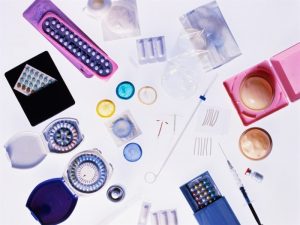
- Oral Contraceptives: These are hormonal pills that prevent ovulation, thickening cervical mucus, and thinning the lining of the uterus, making it harder for sperm to reach the egg.
- Condoms: Barrier methods that prevent sperm from reaching the egg. They also provide protection against sexually transmitted infections.
- IUDs: Intrauterine devices are small T-shaped devices inserted into the uterus to prevent fertilization of the egg by sperm.
- Depo-Provera: A hormonal injection that prevents ovulation and thickens cervical mucus.
Importance of Accessibility and Affordability
Contraceptives must be easily accessible and affordable to ensure that individuals can make informed choices about their reproductive health without barriers. Lack of access to contraceptives can lead to unintended pregnancies and limited family planning options, impacting the overall well-being of individuals and communities.
Summary
As we conclude this insightful exploration, remember that knowledge is power when it comes to Sexual and Reproductive Health Education. Let’s strive to educate, break barriers, and empower individuals to make informed decisions for a brighter tomorrow.
Questions Often Asked
How does Sexual and Reproductive Health Education impact overall well-being?
By providing individuals with essential knowledge and skills, it empowers them to make informed decisions, leading to improved health outcomes and quality of life.
What are some practical skills that can be taught in Sexual and Reproductive Health Education?
Practical skills may include communication techniques, decision-making strategies, and understanding the proper use of contraceptives for effective family planning.
How can cultural factors affect the delivery of sexual and reproductive health education?
Cultural beliefs and norms may influence attitudes towards sexuality and reproductive health, impacting the acceptance and effectiveness of educational programs.