Embark on a journey exploring the essential aspects of reproductive health for teens, shedding light on crucial topics and empowering young minds to make informed decisions about their well-being.
From understanding the fundamentals to discussing contraceptive options and promoting safe practices, this guide aims to provide valuable insights for teenagers navigating their reproductive health journey.
Understanding Reproductive Health for Teens
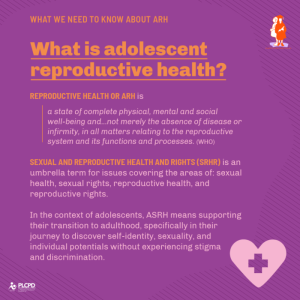
Reproductive health for teens encompasses a range of factors related to their sexual and reproductive well-being. It includes access to information, services, and support to make informed decisions about their bodies.
Importance of Reproductive Health Education
Reproductive health education is crucial for adolescents as it empowers them to take charge of their health and well-being. It helps them understand their bodies, make informed choices, and navigate relationships responsibly.
Key Components of Reproductive Health
- Understanding Human Anatomy: Teens should be aware of their reproductive anatomy, including the functions of different body parts.
- Contraception: Knowledge about contraception methods and their effectiveness is essential for preventing unintended pregnancies and sexually transmitted infections.
- Sexual Health: Understanding the importance of regular STI testing, safe sex practices, and healthy relationships is vital for maintaining sexual health.
- Consent: Educating teens about the importance of consent in sexual relationships promotes healthy boundaries and respect for oneself and others.
- Mental Health: Addressing the emotional aspects of sexual health, such as body image, self-esteem, and coping with peer pressure, is crucial for overall well-being.
Importance of Contraceptives in Teen Reproductive Health
Contraceptives play a crucial role in safeguarding the reproductive health of teenagers by preventing unintended pregnancies and promoting safe sexual practices.
Types of Contraceptives for Teenagers
- Condoms: One of the most common forms of contraceptives, condoms not only prevent pregnancies but also protect against sexually transmitted infections.
- Birth Control Pills: Oral contraceptives are hormonal pills that help regulate the menstrual cycle and prevent pregnancy.
- Contraceptive Injections: Injectable contraceptives provide long-lasting protection against pregnancies and are convenient for teenagers who may forget to take a daily pill.
- Intrauterine Devices (IUDs): IUDs are small, T-shaped devices inserted into the uterus to prevent pregnancies and can last for several years.
- Emergency Contraception: Also known as the morning-after pill, emergency contraception can be taken after unprotected sex to prevent pregnancy.
Importance of Access to Contraceptives for Adolescents
Access to contraceptives is essential for teenagers to make informed decisions about their sexual health and engage in safe practices. It allows them to take control of their reproductive choices, reduce the risk of unintended pregnancies, and protect themselves from sexually transmitted infections. By ensuring easy access to a variety of contraceptive options, we empower teenagers to prioritize their well-being and future goals.
Birth Control Methods for Teens
When it comes to birth control methods for teenagers, there are various options available to help prevent unintended pregnancies and promote reproductive health.
1. Condoms
Condoms are one of the most common and easily accessible birth control methods for teens. They are highly effective in preventing both pregnancy and sexually transmitted infections (STIs).
2. Birth Control Pills
Birth control pills are another popular option for teenage girls. They are taken orally and are effective in preventing pregnancy when taken correctly and consistently.
3. Long-Acting Reversible Contraceptives (LARCs)
LARCs, such as intrauterine devices (IUDs) and contraceptive implants, are highly effective birth control methods for teens. They are long-lasting and do not require daily maintenance.
4. Depo-Provera Shot
The Depo-Provera shot is an injectable contraceptive that provides protection against pregnancy for three months. It is a convenient option for teens who may have difficulty remembering to take a daily pill.
5. Emergency Contraception
Emergency contraception, also known as the morning-after pill, can be used by teens as a backup method to prevent pregnancy after unprotected sex or contraceptive failure.
Importance of Educating Teens
It is crucial to educate teenagers about birth control methods and their proper usage to empower them to make informed decisions about their sexual health. By providing accurate information and resources, teens can take control of their reproductive health and prevent unintended pregnancies.
Promoting Safe Sexual Practices among Teens
When it comes to promoting safe sexual practices among teenagers, it is crucial to provide them with the necessary knowledge and support to make informed decisions about their reproductive health.
Importance of Open Communication
Open communication between parents, schools, and healthcare providers plays a vital role in educating teens about sexual health. By fostering a safe and non-judgmental environment, teens are more likely to seek guidance and information regarding contraception, STI prevention, and healthy relationships.
Tips for Promoting Safe Sexual Practices
- Encourage the use of contraceptives: Educate teens about the importance of using condoms, birth control pills, or other forms of contraception to prevent unintended pregnancies and STIs.
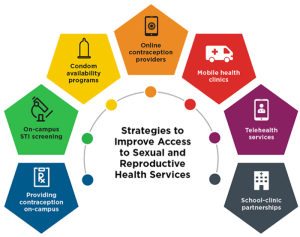
- Provide access to sexual health resources: Ensure that teens have access to accurate information, resources, and healthcare services related to sexual health.
- Teach consent and boundaries: Emphasize the importance of respecting boundaries and obtaining consent in any sexual relationship to promote healthy and safe interactions.
- Encourage regular STI screenings: Encourage teens to get tested for STIs regularly, especially if they are sexually active, to prevent the spread of infections and ensure early treatment if needed.
Creating a Supportive Environment
Creating a supportive environment for teens to make informed decisions about their reproductive health involves providing them with the tools and resources they need to navigate sexual relationships safely. This includes fostering open communication, promoting education on sexual health, and offering non-judgmental support and guidance.
Epilogue

In conclusion, prioritizing reproductive health education for teens is key to fostering a safe and informed environment. By promoting open communication and access to resources, we can empower adolescents to take charge of their well-being and make responsible choices.
Essential FAQs
What are some common misconceptions about reproductive health among teens?
Common misconceptions include believing that using contraceptives leads to promiscuity and that only girls are responsible for birth control.
How can parents initiate conversations about reproductive health with their teens?
Parents can start by creating a safe and judgment-free space, using age-appropriate language, and listening actively to their teens’ questions and concerns.
Are there any natural birth control methods suitable for teenagers?
Yes, natural methods like fertility awareness can be suitable for teens, but they require proper education and consistency to be effective.