Embarking on the journey of Infertility Treatment Options opens doors to hope and possibility, guiding individuals towards the path of parenthood with compassion and knowledge.
From medical interventions to lifestyle adjustments, this topic delves into diverse strategies aimed at overcoming the challenges of infertility, offering insights that resonate with those seeking answers.
Infertility Treatment Options
When faced with infertility, there are various treatment options available to help individuals and couples achieve their dream of starting a family.
Medical Treatments for Infertility
- Medications: Fertility drugs such as Clomid or Letrozole may be prescribed to stimulate ovulation.
- Surgery: In cases of structural issues like blocked fallopian tubes or endometriosis, surgery may be recommended.
Assisted Reproductive Technologies (ART)
ART procedures like In Vitro Fertilization (IVF) involve combining eggs and sperm outside the body in a laboratory to create embryos for implantation.
Lifestyle Changes for Improved Fertility
- Maintaining a healthy weight through diet and exercise can positively impact fertility.
- Avoiding smoking, excessive alcohol consumption, and recreational drugs can also improve fertility chances.
Alternative Therapies for Infertility Treatment
Some individuals explore alternative therapies like acupuncture, herbal supplements, or yoga to support fertility treatments.
Contraceptives Birth Control Reproductive Health
Contraceptives play a crucial role in reproductive health by offering individuals the ability to prevent unwanted pregnancies. Understanding the different types of contraceptives available in the market and their associated risks and benefits is essential for making informed decisions about birth control.
Types of Contraceptives
- Birth Control Pills: Oral contraceptives that contain hormones to prevent ovulation and thicken cervical mucus.
- Condoms: Barrier method that prevents sperm from reaching the egg.
- IUDs: Intrauterine devices inserted into the uterus to prevent pregnancy.
- Implants: Small rods inserted under the skin that release hormones to prevent ovulation.
- Depo-Provera: Injectable contraceptive that lasts for three months.
How Contraceptives Work
Contraceptives function by either preventing ovulation, thickening cervical mucus to block sperm, or altering the uterine lining to inhibit implantation. It is essential to use contraceptives correctly and consistently to ensure their effectiveness in preventing pregnancy.
Reproductive Health Education
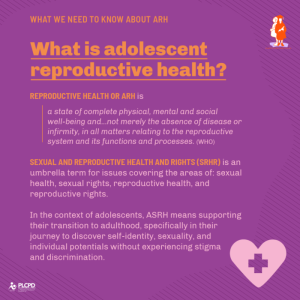
Reproductive health education is crucial for individuals to make informed decisions about their sexual and reproductive health. It includes information on contraceptive options, safe sex practices, and the importance of regular screenings for sexually transmitted infections.
Risks and Benefits
- Benefits: Contraceptives can help regulate menstrual cycles, reduce menstrual cramps, and provide effective pregnancy prevention.
- Risks: Some contraceptives may have side effects such as weight gain, mood changes, or an increased risk of blood clots. It is important to discuss these risks with a healthcare provider before starting any contraceptive method.
Epilogue
As we conclude our exploration of Infertility Treatment Options, we reflect on the resilience and courage of individuals navigating this intricate terrain, embracing the promise of new beginnings with unwavering determination.
Answers to Common Questions
How effective are alternative therapies in treating infertility?
Alternative therapies can offer potential benefits in enhancing fertility, but their effectiveness varies among individuals. It’s essential to consult with a healthcare provider for personalized guidance.
What lifestyle changes can improve fertility?
Adopting a healthy diet, regular exercise routine, managing stress levels, and avoiding harmful habits like smoking and excessive alcohol consumption can positively impact fertility.
What are the risks associated with different contraceptive methods?
Contraceptive methods may have side effects such as hormonal changes, weight fluctuations, or increased risk of certain health conditions. It’s crucial to discuss these risks with a healthcare provider before choosing a contraceptive.