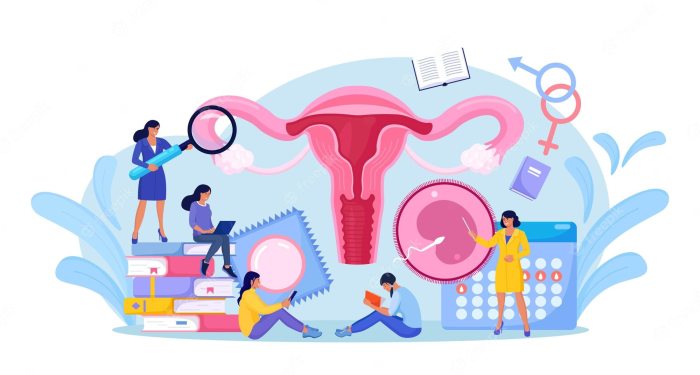
Embark on a journey through the realm of Reproductive Health and Contraception, where knowledge empowers and choices shape destinies. Let’s dive into the heart of this crucial topic to explore its impact and significance.
Reproductive health encompasses various aspects of well-being, and contraception plays a pivotal role in shaping family planning and overall health outcomes. Understanding these elements is essential for making informed decisions and promoting a healthier future.
Overview of Reproductive Health
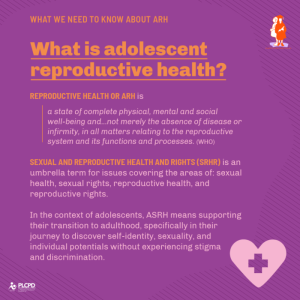
Reproductive health is a crucial aspect of overall well-being that encompasses the physical, mental, and social well-being related to the reproductive system. It is vital for individuals to have access to accurate information, safe and affordable services, and the ability to make informed decisions about their reproductive health.
Key Components of Reproductive Health
- Family Planning: Access to contraception methods to help individuals decide if and when to have children.
- Sexual Education: Providing comprehensive information about sexual health, relationships, and consent.
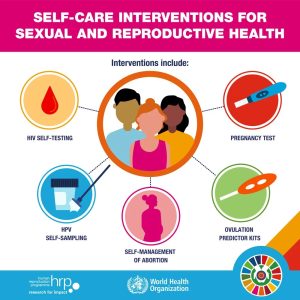
- Prevention and Treatment of STIs: Ensuring access to testing, treatment, and prevention methods for sexually transmitted infections.
- Maternal Health Care: Ensuring safe pregnancy, childbirth, and postnatal care for mothers and babies.
- Access to Safe Abortion Services: Ensuring safe and legal abortion services for those who need it.
Impact of Reproductive Health on Overall Well-being
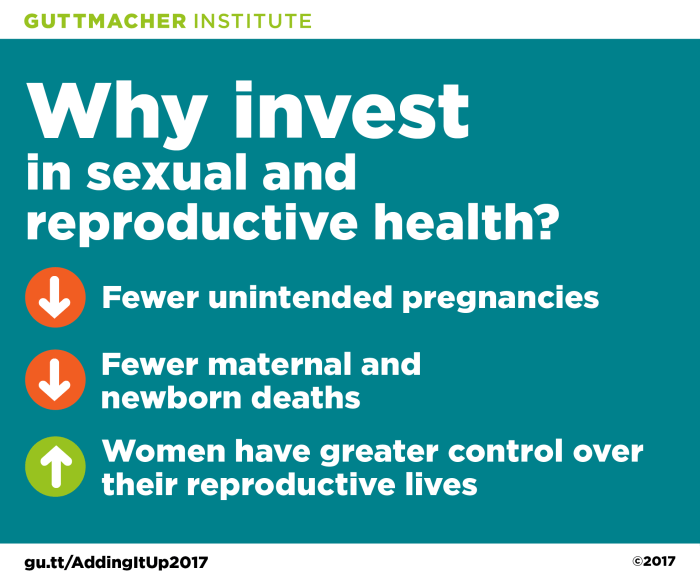
Reproductive health plays a significant role in shaping the overall well-being of individuals and communities. When individuals have access to comprehensive reproductive health services, they are more likely to lead healthy and fulfilling lives. It can lead to lower rates of maternal and infant mortality, reduced transmission of STIs, and improved family planning outcomes. By prioritizing reproductive health, we can empower individuals to make informed choices about their bodies, relationships, and futures.
Importance of Contraception
Contraception plays a crucial role in family planning by allowing individuals to make informed decisions about when and if they want to have children. It provides control over reproductive choices and helps in spacing out pregnancies for better maternal and child health outcomes.
Contribution to Reproductive Health
Contraception significantly contributes to reproductive health by reducing the number of unintended pregnancies and unsafe abortions. It helps in preventing sexually transmitted infections (STIs) and HIV transmission, promoting overall well-being and quality of life.
- Contraception empowers women to take charge of their reproductive health and make choices that align with their life goals.
- It promotes gender equality by allowing both partners to share responsibility for family planning.
- Access to contraception leads to better maternal health outcomes, reducing the risk of maternal mortality and morbidity.
Comparison of Contraceptive Methods
When it comes to contraceptive methods, there are several options available, each with varying levels of effectiveness and suitability for different individuals. It is essential to understand the pros and cons of each method to make an informed choice.
| Contraceptive Method | Effectiveness |
|---|---|
| Birth Control Pills | Over 90% effective when taken correctly |
| Condoms | Around 85% effective in preventing pregnancy and STIs |
| Intrauterine Devices (IUDs) | More than 99% effective and long-lasting |
| Implants | Over 99% effective and reversible |
Types of Contraceptives
Contraceptives are essential tools in family planning and reproductive health, offering a variety of options to prevent unintended pregnancies. Each type of contraceptive works differently to achieve the common goal of preventing conception. Let’s explore the different types of contraceptives available, their mechanisms of action, as well as their advantages and disadvantages.
Barrier Methods
Barrier methods of contraception work by physically blocking sperm from reaching the egg. Common types include condoms (male and female), diaphragms, and cervical caps. These methods are easily accessible, do not require a prescription, and provide protection against sexually transmitted infections (STIs). However, they must be used correctly and consistently to be effective.
Hormonal Methods
Hormonal contraceptives, such as birth control pills, patches, injections, and hormonal IUDs, work by altering hormone levels in the body to prevent ovulation and thicken cervical mucus, making it difficult for sperm to reach the egg. These methods are highly effective when used correctly but may have side effects such as weight gain, mood changes, and irregular bleeding.
Long-Acting Reversible Contraceptives (LARCs)
LARCs, including hormonal IUDs and contraceptive implants, provide long-term contraception with minimal user intervention. These methods are highly effective and can last for several years, offering convenience and privacy. However, they require insertion/removal by a healthcare provider and may have side effects like irregular bleeding or device expulsion.
Sterilization
Sterilization procedures, such as tubal ligation (for women) and vasectomy (for men), permanently prevent pregnancy by blocking the fallopian tubes or vas deferens. While highly effective, sterilization is considered a permanent method of contraception and is not easily reversible. It is important for individuals to consider this option carefully.
Fertility Awareness Methods
Fertility awareness methods involve tracking menstrual cycles, basal body temperature, and cervical mucus to determine fertile days and avoid unprotected intercourse during that time. While natural and non-invasive, these methods require diligence and may not be suitable for individuals with irregular cycles.
Emergency Contraception
Emergency contraception, also known as the morning-after pill, can be used to prevent pregnancy after unprotected intercourse or contraceptive failure. It works by delaying ovulation or preventing fertilization. It is important to use emergency contraception as soon as possible after unprotected sex for maximum effectiveness.
Reproductive Health Education
Reproductive health education plays a crucial role in empowering individuals to make informed decisions regarding their sexual and reproductive well-being. By providing accurate and comprehensive information, it helps individuals understand their bodies, reproductive processes, and the importance of taking care of their sexual health.
Importance of Reproductive Health Education
Reproductive health education is essential in preventing unwanted pregnancies, sexually transmitted infections (STIs), and promoting overall well-being. It equips individuals with the knowledge and skills needed to make responsible choices about their sexual health, relationships, and family planning.
Role in Preventing Unwanted Pregnancies
- Empowers individuals to make informed decisions about contraceptive methods.
- Helps reduce the incidence of unintended pregnancies by promoting the use of effective contraception.
- Encourages open communication about sexual health between partners, leading to shared responsibility in family planning.
Strategies for Promoting Reproductive Health Education in Communities
- Implement comprehensive sexual education programs in schools to reach young people at an early age.
- Offer workshops and seminars in community centers to provide information on reproductive health, contraception, and STI prevention.
- Engage with local healthcare providers to ensure access to reproductive health services and information for all community members.
Challenges in Accessing Contraceptives
Accessing contraceptives can be a challenge for many individuals due to various barriers that exist. These barriers can have significant impacts on reproductive health outcomes, highlighting the importance of addressing these challenges.
Barriers to Accessing Contraceptives
- Lack of availability: In some regions, contraceptives may not be readily available or accessible, leading to limited options for individuals.
- Cost: The cost of contraceptives can be prohibitive for many individuals, especially in low-income communities where financial resources are scarce.
- Stigma and cultural beliefs: Societal stigma surrounding contraception and cultural beliefs can prevent individuals from seeking out or using contraceptives.
- Legal restrictions: Some areas have legal restrictions or barriers that limit access to contraceptives, further complicating the situation for individuals.
Impact of Limited Access to Contraceptives
Limited access to contraceptives can lead to unintended pregnancies, unsafe abortions, and increased risk of sexually transmitted infections. This can have far-reaching consequences on the reproductive health of individuals, affecting their overall well-being and quality of life.
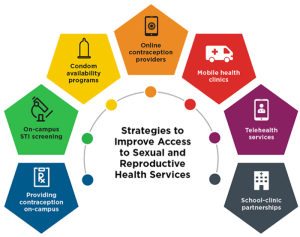
Initiatives to Improve Access to Contraceptives
- Government programs: Many governments have implemented programs to increase access to contraceptives through subsidies, distribution networks, and awareness campaigns.
- Non-profit organizations: NGOs and non-profit organizations work to provide contraceptives to underserved communities and advocate for policies that improve access to family planning services.
- Community health workers: Training and empowering community health workers to educate individuals about contraceptives and provide access to these resources can help bridge the gap in access.
Reproductive Health Rights
Reproductive health rights refer to the basic rights of individuals to make decisions concerning their reproductive health without any discrimination or coercion. These rights are essential for ensuring the overall well-being and autonomy of individuals.
Significance of Reproductive Health Rights
Reproductive health rights are crucial as they empower individuals to access essential reproductive health services, including contraception, maternal care, and STI prevention. By protecting these rights, individuals can make informed choices about their bodies and health, leading to better health outcomes and overall quality of life.
- Reproductive health rights ensure that individuals have the right to access comprehensive sexual and reproductive health information.
- These rights enable individuals to make decisions about their fertility and family planning without interference.
- They also protect individuals from harmful practices such as child marriage, female genital mutilation, and forced sterilization.
Policies and Laws Supporting Reproductive Health Rights
There are several policies and laws globally that support and uphold reproductive health rights, aiming to promote gender equality and ensure access to reproductive health services for all individuals.
One example is the International Conference on Population and Development (ICPD) Programme of Action, which recognizes reproductive rights as human rights and emphasizes the importance of gender equality and women’s empowerment in achieving sustainable development.
- The Affordable Care Act in the United States, for instance, includes provisions that guarantee coverage for contraception without copayments, ensuring access to a wide range of contraceptive methods for individuals.
- The Convention on the Elimination of All Forms of Discrimination Against Women (CEDAW) is another international treaty that calls for the elimination of discrimination against women in all areas of life, including reproductive health.
Last Recap
As we conclude our exploration of Reproductive Health and Contraception, remember that knowledge is key to empowerment. By prioritizing education and access to contraceptives, we pave the way for healthier communities and brighter tomorrows.
Helpful Answers
What are some common contraceptive methods?
Common contraceptive methods include birth control pills, condoms, intrauterine devices (IUDs), and contraceptive implants. Each method has its own effectiveness and suitability based on individual needs.
How does reproductive health education benefit communities?
Reproductive health education empowers individuals to make informed decisions about their health, leading to reduced rates of unintended pregnancies and better overall well-being within communities.
What are some challenges in accessing contraceptives?
Barriers to accessing contraceptives may include lack of availability, cultural stigmas, financial constraints, and limited healthcare infrastructure. Addressing these challenges is crucial for improving reproductive health outcomes.