Embark on a journey through the realm of Reproductive Health and Fertility, where we unravel the complexities of well-being and fertility with a touch of simplicity and depth.
Discover the key factors shaping our reproductive health and the delicate balance between lifestyle choices and fertility as we delve into the impact of age on this vital aspect of our lives.
Reproductive Health and Fertility
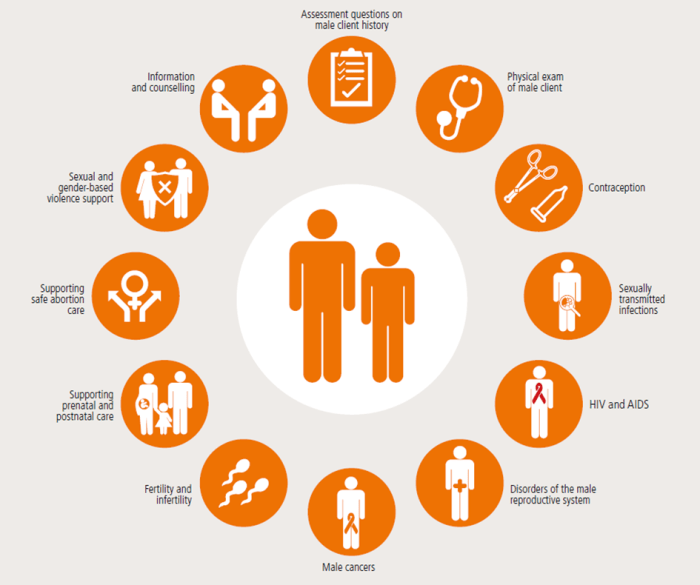
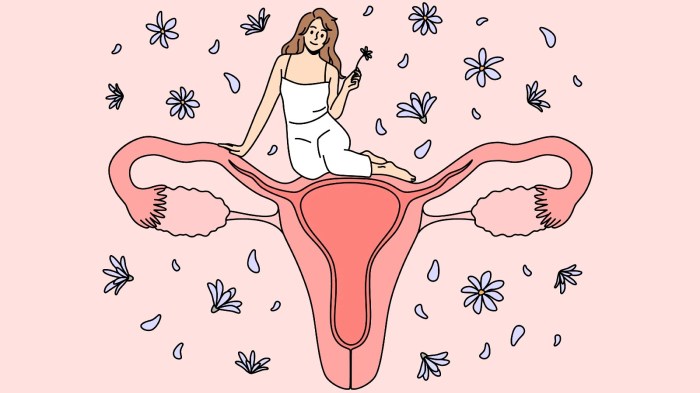
Reproductive health plays a crucial role in overall well-being as it encompasses the ability to reproduce and the overall health of the reproductive system. It is essential for individuals to maintain good reproductive health in order to have a healthy and fulfilling life.
Factors Affecting Fertility
- Age: Both men and women experience a decline in fertility as they age. Women are most fertile in their 20s and early 30s, while men may experience a decrease in sperm quality and quantity as they get older.
- Health Conditions: Certain health conditions such as obesity, diabetes, and sexually transmitted infections can affect fertility in both men and women.
- Lifestyle Factors: Factors such as smoking, excessive alcohol consumption, poor diet, and lack of exercise can impact fertility in both men and women.
Role of Lifestyle Choices
Maintaining a healthy lifestyle is essential for reproductive health. Eating a balanced diet, exercising regularly, avoiding smoking and excessive alcohol consumption, and managing stress can all contribute to better reproductive health outcomes.
Impact of Age on Fertility
As women age, the quality and quantity of their eggs decrease, making it more difficult to conceive. Men also experience a decline in fertility with age, as sperm quality and motility can decrease.
Contraceptives and Birth Control
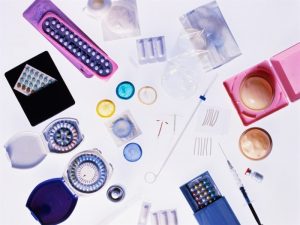
Contraceptives play a crucial role in family planning by helping individuals prevent unintended pregnancies. There are various types of contraceptives available, each with its own effectiveness and potential side effects. It is essential to understand how these contraceptives work to make informed decisions about birth control methods.
Types of Contraceptives
- Birth Control Pills: Oral contraceptives containing hormones to prevent ovulation.
- Condoms: Barrier method that prevents sperm from reaching the egg.
- IUDs: Intrauterine devices inserted into the uterus to prevent pregnancy.
- Implants: Small rod inserted under the skin releasing hormones to prevent pregnancy.
- Depo-Provera: Hormonal injection administered every three months to prevent ovulation.
Effectiveness and Side Effects
- Effectiveness: Different contraceptives have varying effectiveness rates, with some being more reliable than others. It is important to use contraceptives consistently and correctly to maximize their effectiveness.
- Side Effects: Common side effects of contraceptives include nausea, weight gain, irregular bleeding, and mood changes. It is essential to consult a healthcare provider to discuss any concerns or issues.
Importance of Contraceptive Education
- Preventing Unintended Pregnancies: Proper education about contraceptives can help individuals make informed choices and prevent unintended pregnancies.
- Empowerment: Knowledge about different contraceptive methods empowers individuals to take control of their reproductive health and family planning.
How Contraceptives Work
- Preventing Ovulation: Hormonal contraceptives like pills and injections work by suppressing ovulation, preventing the release of an egg.
- Blocking Sperm: Barrier methods like condoms create a physical barrier to prevent sperm from reaching the egg for fertilization.
- Thickening Cervical Mucus: Some contraceptives thicken cervical mucus, making it difficult for sperm to travel through the reproductive tract.
Closure
As we conclude our exploration, we reflect on the profound significance of reproductive health and fertility, emphasizing the importance of education and informed choices in shaping our reproductive well-being.
Clarifying Questions
How does age affect fertility in men and women?
Age can impact fertility by decreasing the quality and quantity of eggs in women and reducing sperm quality in men.
What lifestyle choices can influence reproductive health?
Healthy diet, regular exercise, avoiding smoking and excessive alcohol consumption can positively impact reproductive health.
How do contraceptives prevent pregnancy?
Contraceptives work by inhibiting ovulation, thickening cervical mucus, or preventing sperm from reaching the egg, thus preventing fertilization.